Why a license to trade in defense industry products in Slovakia is more than a formality, and how regulatory readiness becomes a competitive advantage in the growing defense sector.
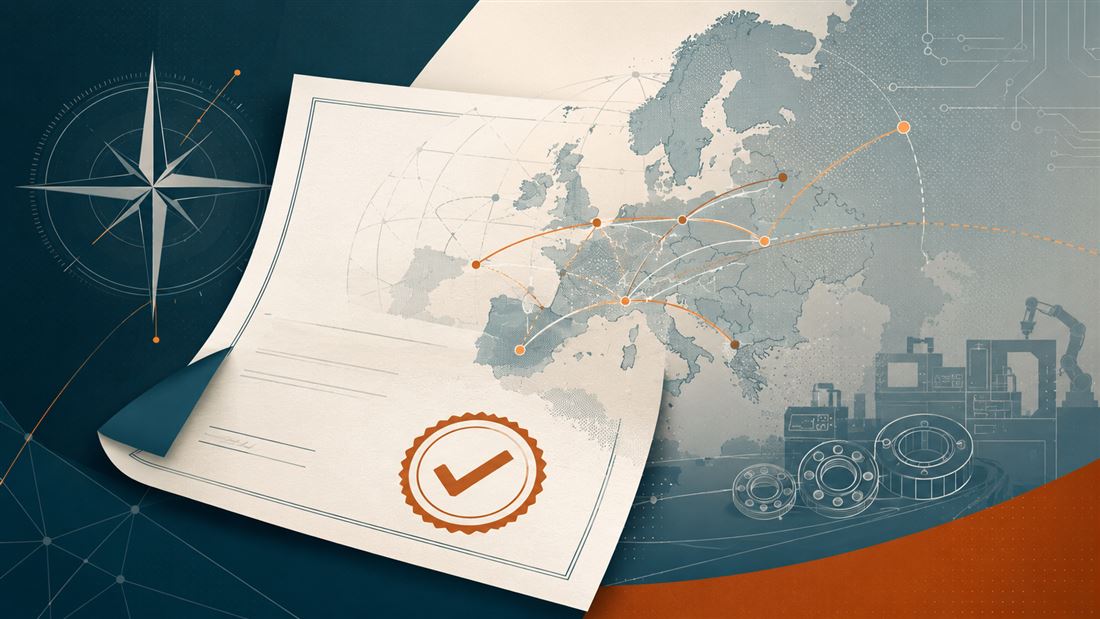
The U.S.-European alliance, which has formed the backbone of Western security since the end of the Cold War, has come under unprecedented pressure. Washington is openly questioning its commitments to its allies, the war in Ukraine continues, and awareness is growing in Europe of an uncomfortable truth: if the worst comes to pass, we will have to stand on our own. “Strategic autonomy” has ceased to be a Brussels buzzword and has become a budgetary reality—most European countries are increasing defense spending to levels not seen in decades.
In this context, Slovakia is one of the exceptions worth noting. Our defense industry is growing, and we have a viable manufacturing base—something that, given the size of our country, cannot be taken for granted.
At first glance, a license to trade in defense industry products may seem like an administrative formality. In reality, it is one of the most effective foreign and security policy tools available to a modern state—the law here functions not merely as a set of legal provisions, but as a policy tool that directs trade flows according to strategic priorities.
Today’s market is not limited to traditional ammunition and heavy equipment. It is being reshaped—from unmanned systems to sensors to components for air defense—and standard engineering and technology companies that have had no prior connection to the defense sector can also enter this emerging market. For these companies in particular, regulatory readiness is key: a company that understands licensing regimes and is a transparent partner for the government can enter supply chains at a time when positions within them are still being filled.
At the same time, however, a license is no guarantee. The European Union does not have a unified arms export policy—each member state decides independently, and practices in Germany, Sweden, and the former GDR show that even a legally issued license can be abused. The paperwork is in order, the stamp is there, but the reality may be quite different.
Slovak arms and engineering companies should therefore view licensing processes not as bureaucracy, but as part of their own business strategy—at a time when the market is being reshaped, regulatory readiness becomes a competitive advantage that may not present itself a second time.